Table of Contents
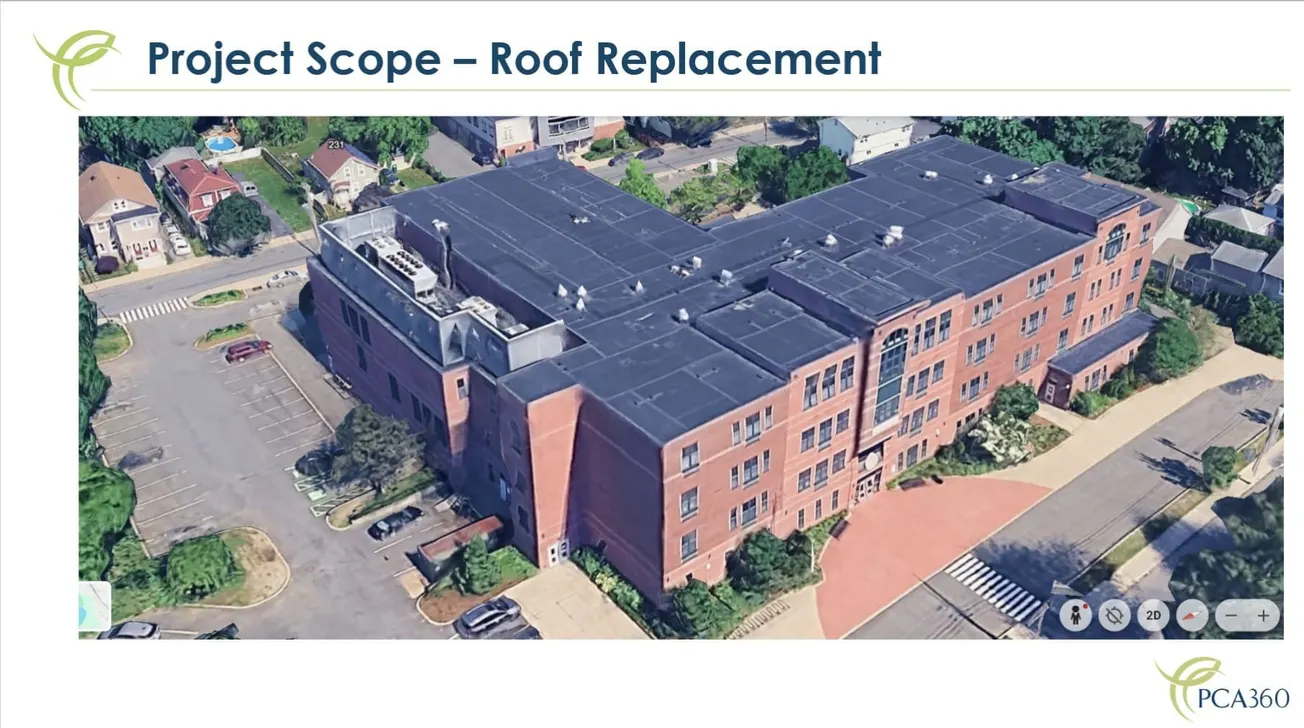
It’s taken Medford more than six months to pick a design for a new school. But it took the School Committee only 90 minutes to pick an HVAC system for its upcoming roof replacement project at the Roberts Elementary School.
Granted, said Brian Laroche, dealing with the Massachusetts School Building Authority (MSBA) under its Accelerated Repair Program is much different than building a new school.
Laroche, who is the owner’s project manager (OPM), is the project director. His firm, PCA360, is overseeing the city’s roof/HVAC replacements at the Roberts, Missituk, and Brooks elementary schools.
The Missituk project will start in 2027, followed by the Brooks in 2028.
Medford has already done similar projects for the McGlynn Elementary School and Andrews Middle School.
“The program follows different parameters,” Laroche said of the differences.
Both programs start off with a feasibility study, but Medford would only have three options for the HVAC replacement, Laroche said.
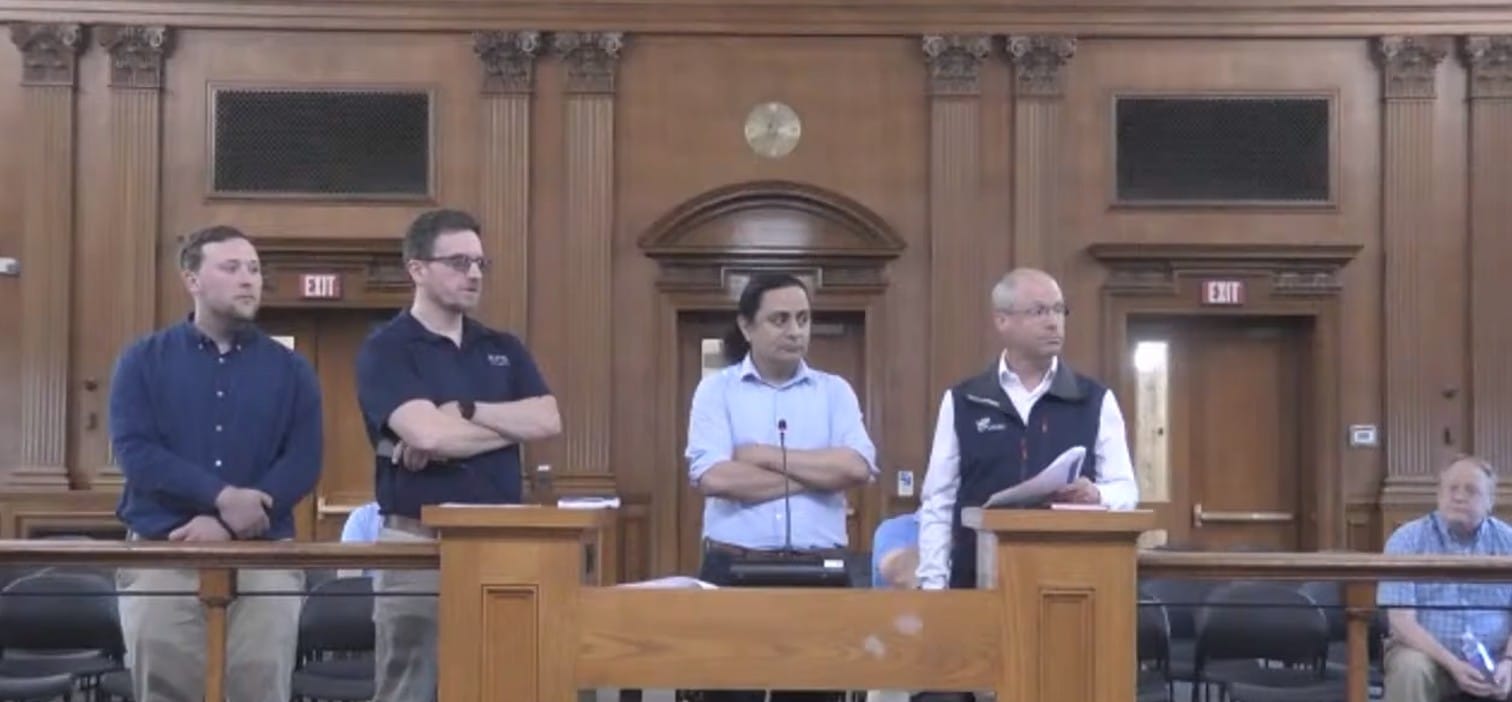
And during the June 15 meeting, the School Committee heard a presentation from RFS Engineering about those options.
“We completed the initial study of the building and then we’ve looked to see what would be appropriate from the three options,” Laroche said.
He said once the School Committee picked an option, the schematic designs would be drawn up and sent to the MSBA by Aug. 27 for its Oct. 28 board meeting.
“Once the board votes, they will send it back to the city to appropriate funds for the project,” Laroche said. “Once the city appropriates those funds, then we move to the detailed designs.”
He estimated the designs to be finalized by January 2027 so the project can go out to bid and be awarded. Laroche said it is estimated the project could be underway by next summer but could take up to the summer of 2028 to be finished.
“This is quite a long process of getting through submittals and shop drawings and ordering equipment and so forth before we can do anything in the field,” Laroche said. “The summers are extremely short and we have to make sure that we have all the planning in place well in advance to make sure that we make this summer a success.”
He added the Accelerated Repair Program doesn’t have as many exclusions as a school building project.
It is expected the MSBA will reimburse the city at 53.32%.
“If we stick to the HVAC, roof replacement, and make the ADA (Americans with Disabilities Act) upgrades, these are all, generally, all reimburseables,” he said. “Only if we add other stuff, like solar, to the scope of the project, then the MSBA won’t reimburse that, but it can still be part of the project.”
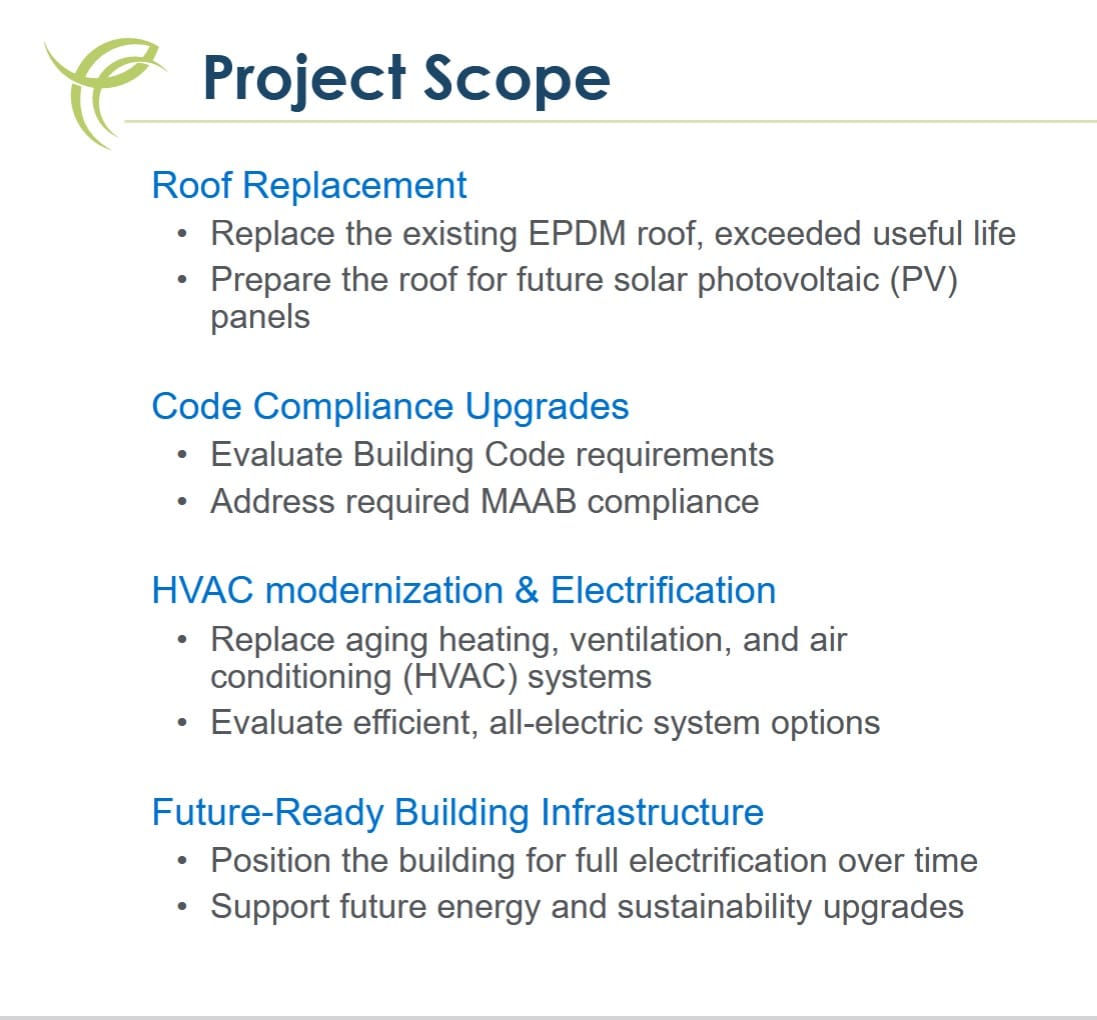
The scope of the project
As far as ADA compatibility, Laroche said the Roberts opened in 2003 so it’s basically compliant. A consultant has gone through the building, he said, and found very few things that need to be updated.
He said the cost of bringing the Roberts into full compliance is about $500,000, which for a building that size is “not significant.”
As for the roof, Laroche said, it’s at the end of its useful life. He said the MSBA has looked at re-coating the roof, which would add 10 more years of life, but the city wants to move ahead with solar and the electrification of its buildings so it’s not a viable option.
“You need a new roof with a full life before putting on solar,” he said. “You need a roof warranty.”
Laroche said the roof replacement needs a photovoltaic system because that’s what solar needs.
“What we’re looking at as a team is making this building future-ready for full electrification, making sure that we’re saying the electrical service will go on as time moves on so that the work we do now is setting the building up for that.”
HVAC options
The team from RFS Engineering — Goshe Imran, senior mechanical engineer; Stratton Newbert, project executive; and Griffin St. Onge, mechanical engineer — presented the city with all the needed information for the three HVAC options being presented.
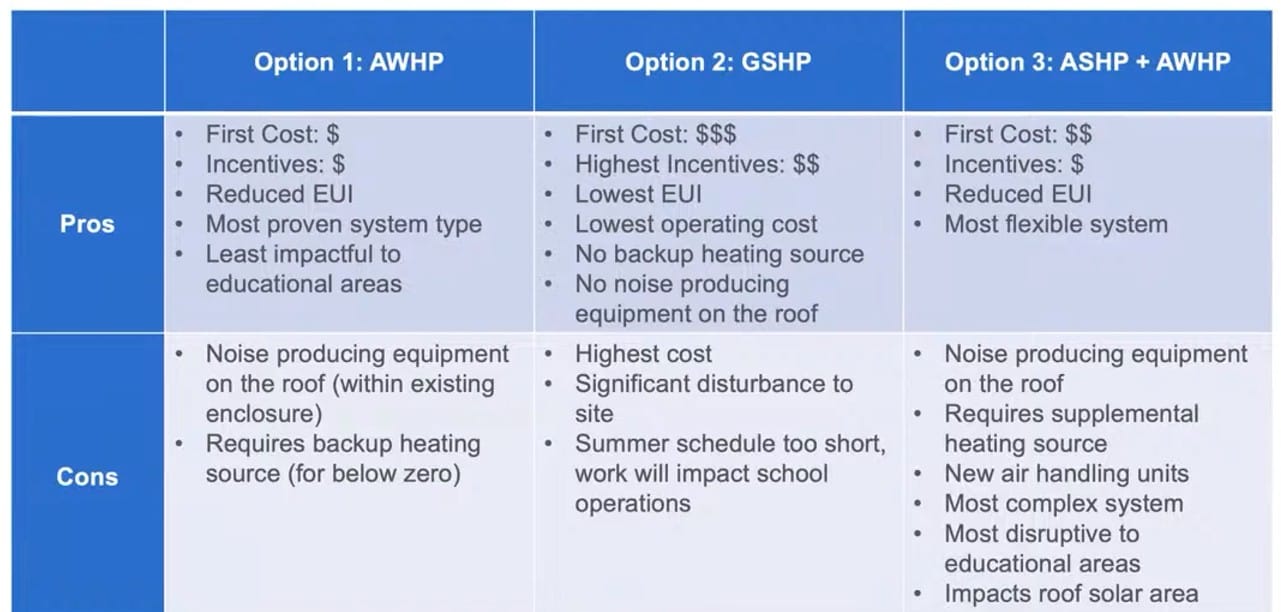
Imran said the three options are as follows:
• Option 1: air to water source heat pumps (AWHP)
• Option 2: geothermal ground source heat pumps (GSHP)
• Option 3: hybrid air source heat pumps (ASHP & AWHP)
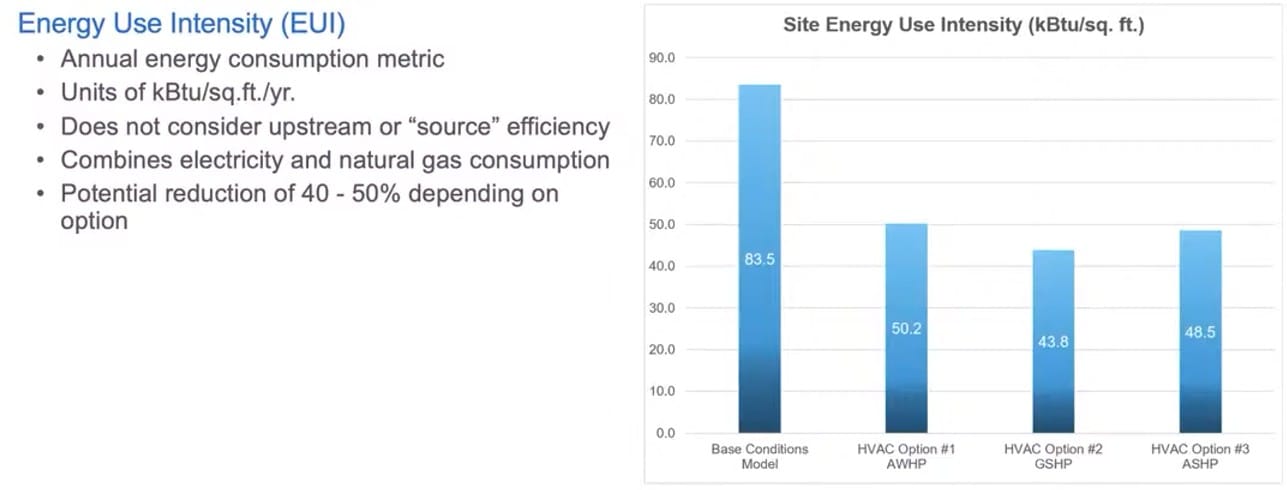
Imran said all three options reduce energy use and lower emissions.
“Each brings its own pros and cons to the table,” he said.
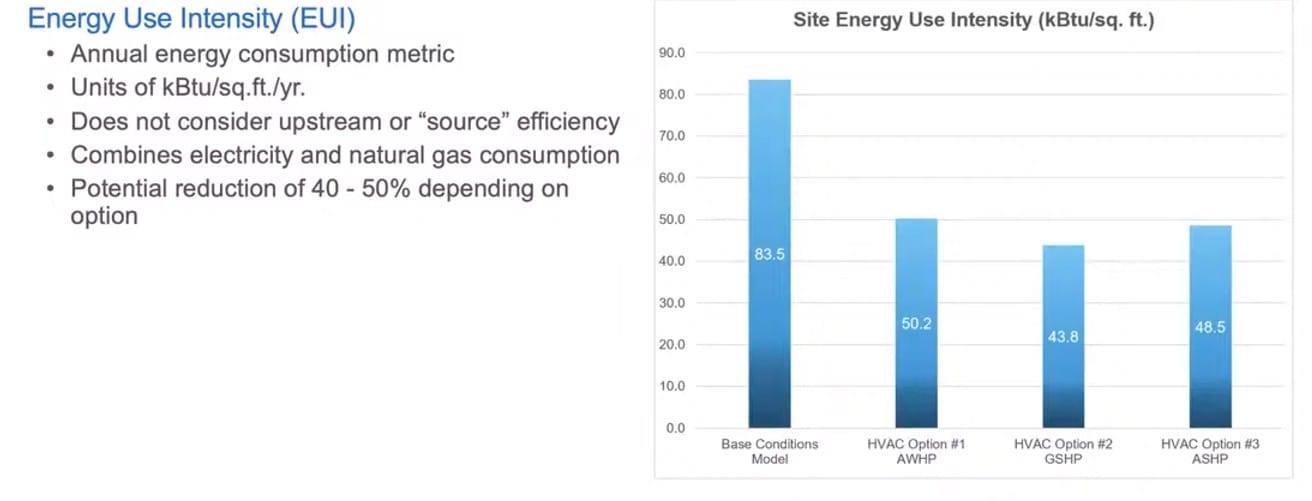
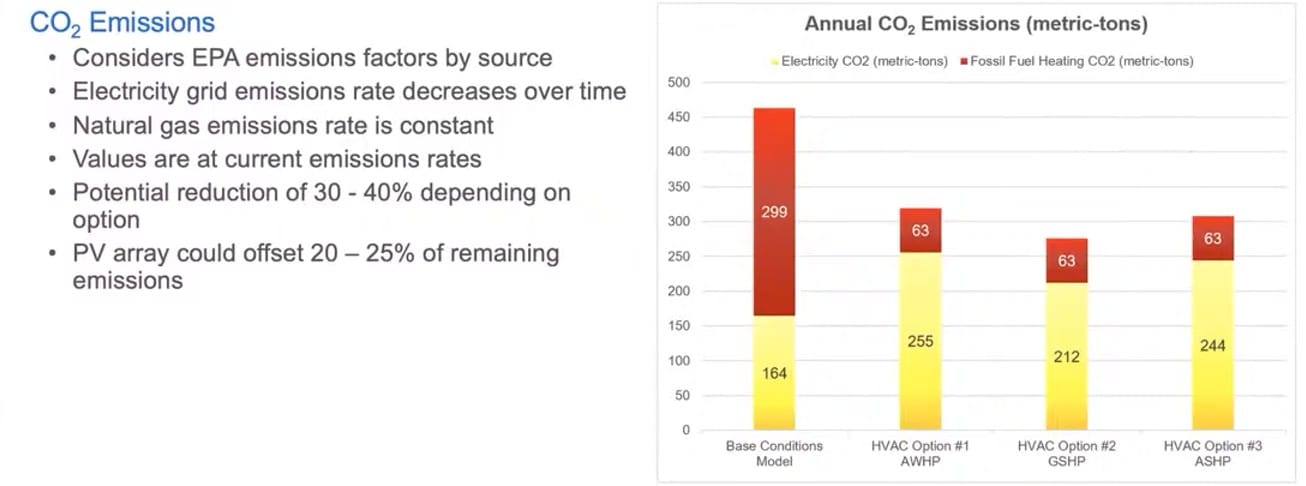
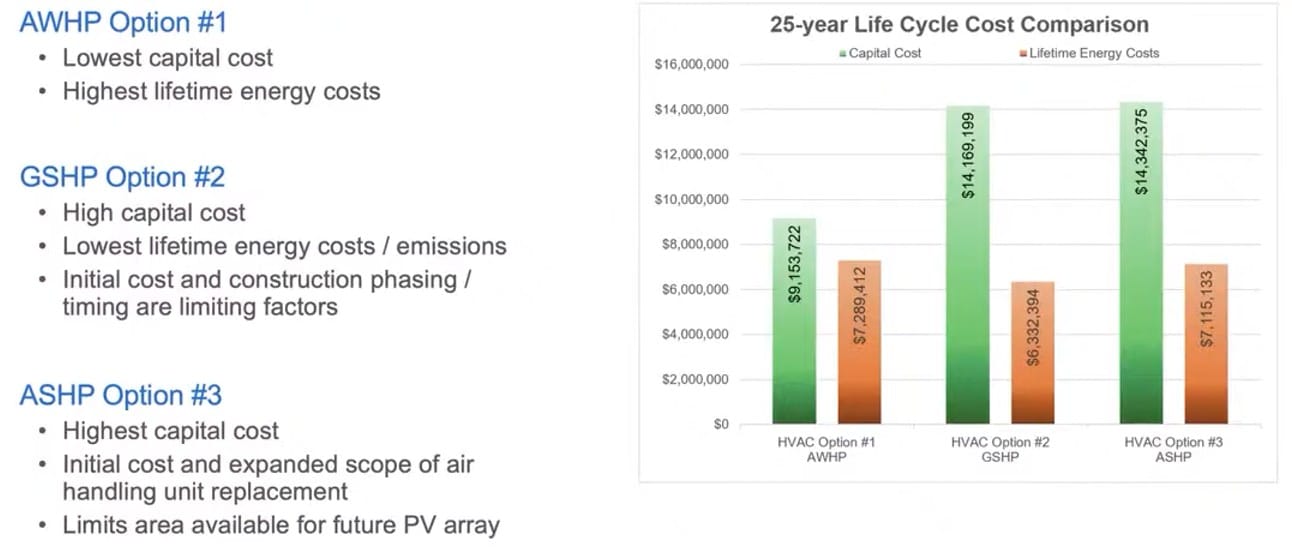
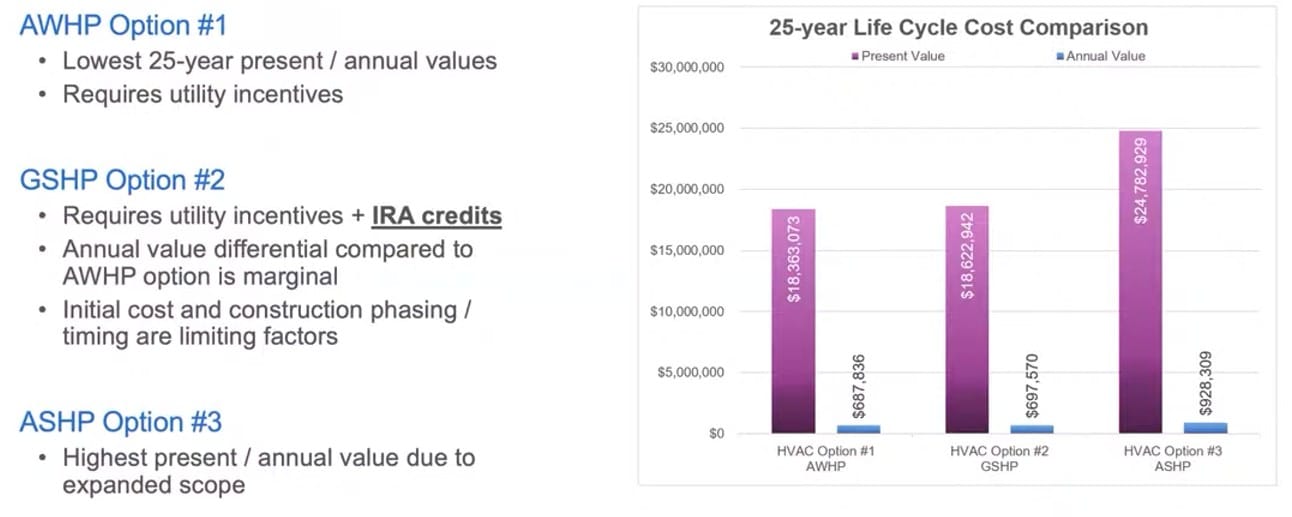
A look at all the costs associated with the Roberts roof replacement project. COURTESY PHOTOS/RFS ENGINEERING
Imran went on to explain options 1 and 3 would be rooftop units, which could stop working under certain conditions, such as extreme cold, so new boilers would be needed as backups for the building.
Option 1 would require new electric or gas boilers, while option 3 would allow the use of existing gas boilers and new electric boilers.
Only option 2 would not require backups since the geothermal wells were 800 feet underground. This option would require 60 wells.
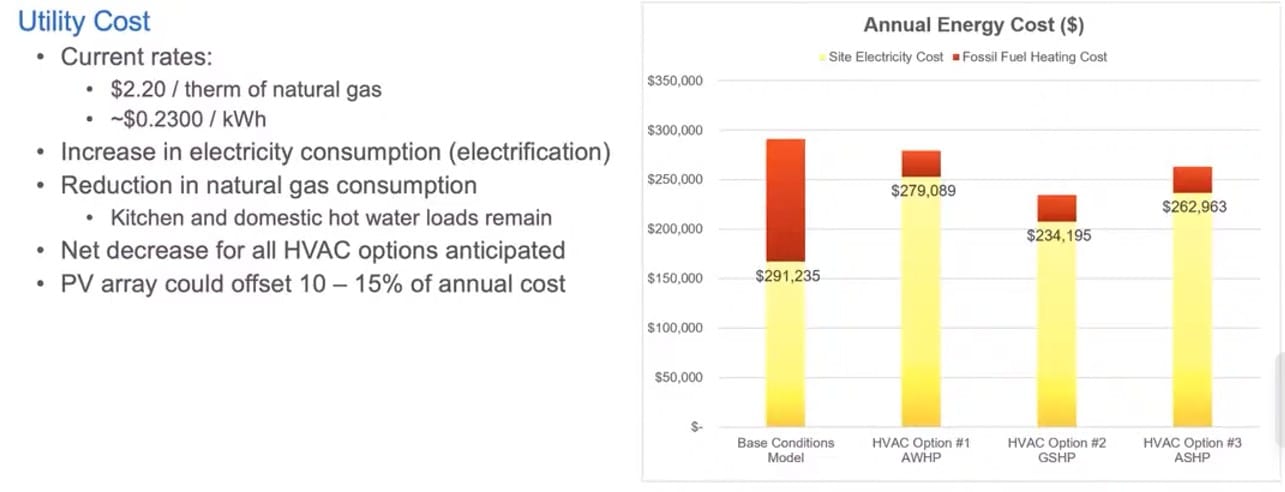
As for the offsetting of utility costs, St. Onge said both options 1 and 2 could accommodate 13,900 square feet of roof space for solar panels. That would generate between 245,000 and 285,000 kilowatt hours (kWh), which translates to about 10-15% in lower utility costs and offset 20-25% in emissions.
Option 3 would only require 8,900 square feet on the roof, but would only generate between 155,000 and 175,000 kWh.
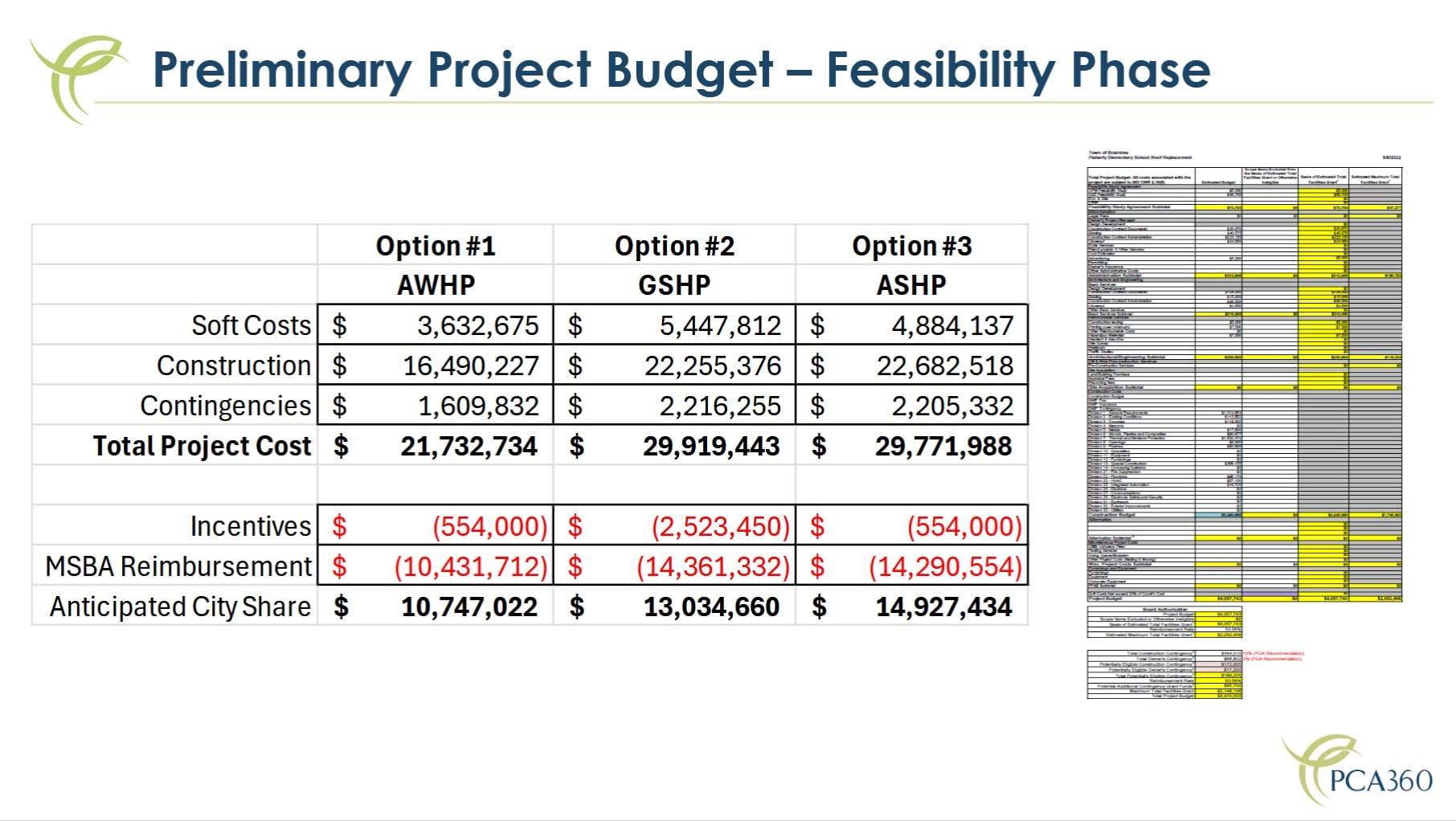
Project costs range between $21 and $29 million for the three options, with the MSBA contributing between $10-$14 million and programs such as MassSAVE and the federal government throwing in tax incentives.
Medford’s portion would then cost between $10.7 million for option 1, $13 million for option 2, and $14.9 million for option 3.
“This is a snapshot of tax credits and incentives at this point in time,” Newbert said. “This isn’t guaranteed.”
School Committee reactions
Despite the technical aspects of the presentation, School Committee Vice Chair Jenny Graham was quite sure which option suited her.
“It was super technical and you can see the tradeoffs,” she said. “You showed us the disruptions to the school year and day and how invasive they are. It was very, very clear and easy to follow. For me, option 1 is the clear option for the Roberts, given the totality.”
Erika Reinfeld asked about lifetime performance of the new equipment.
Imran said existing pipework and ducts would be used for options 1 and 2 while option 3 would require all new equipment.
“Everything has a life expectancy,” Imran said. “It’s very similar in nature.”
He added that 25% of the equipment for this project will need to be replaced in 15 years, and in 25 years everything will need to be replaced. He said geothermal is the only thing that will last longer, with a lifespan of 50 years.
“Everything varies,” Imran said. “But the current system you have is at the end of its life expectancy.”
When asked which option he thought would be best for Medford, Laroche said all three have their pros and cons and any of them would make the project successful.
But he did have an opinion.
“I really feel like option 1 is hitting a lot of what you want,” Laroche said. “It’s checking a lot of boxes. We’re getting the same significant savings on energy improvement."
“The [energy use intensity] has dropped about 40% and we’re moving the building in the direction of electrification, which is a mandate in Massachusetts by 2050 that all buildings will be off fossil fuels so we’re checking that box,” he continued. “We’re putting all that structure in, we’re maximizing the amount of solar on the roof in that option so I really feel, personally, that option 1 is the strongest because it has so many pluses.”
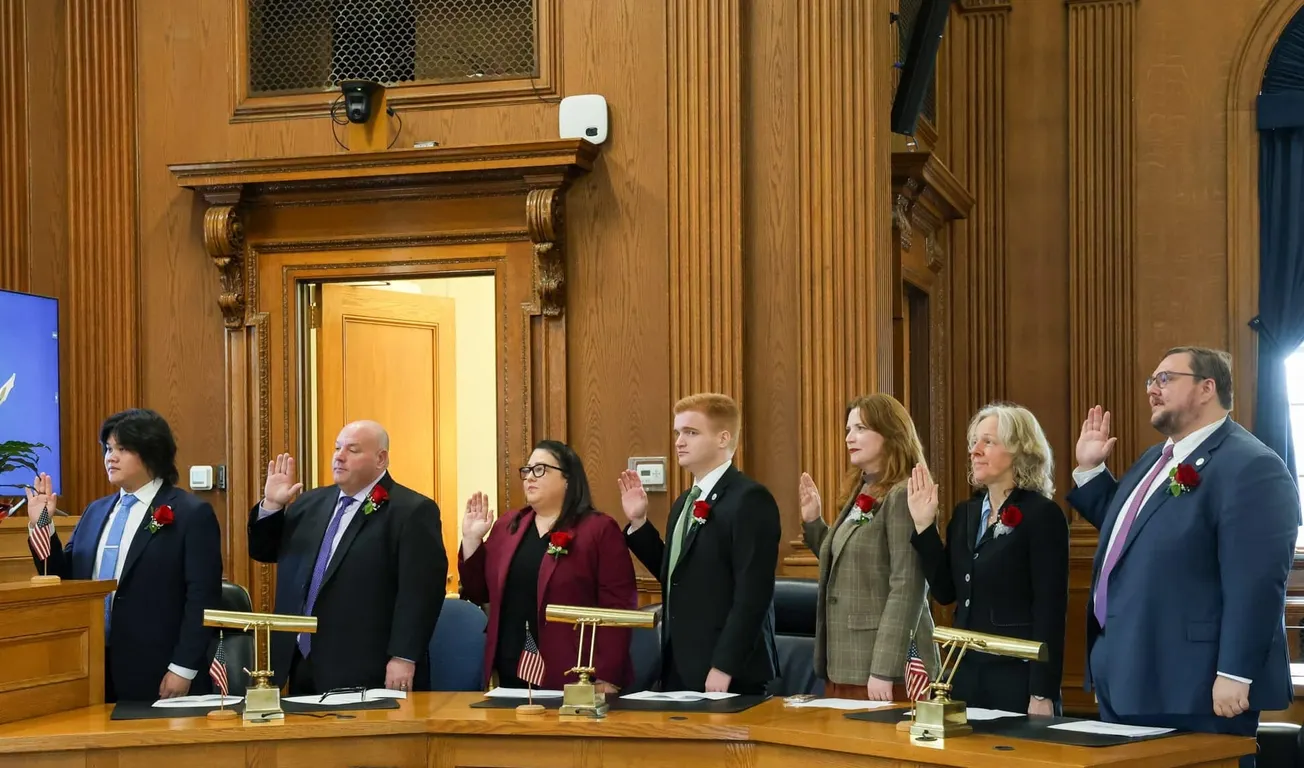
In the end, the School Committee agreed, voting unanimously 6-0 in favor of option 1.
Member Mike Mastrobuoni was absent from the meeting.