Table of Contents
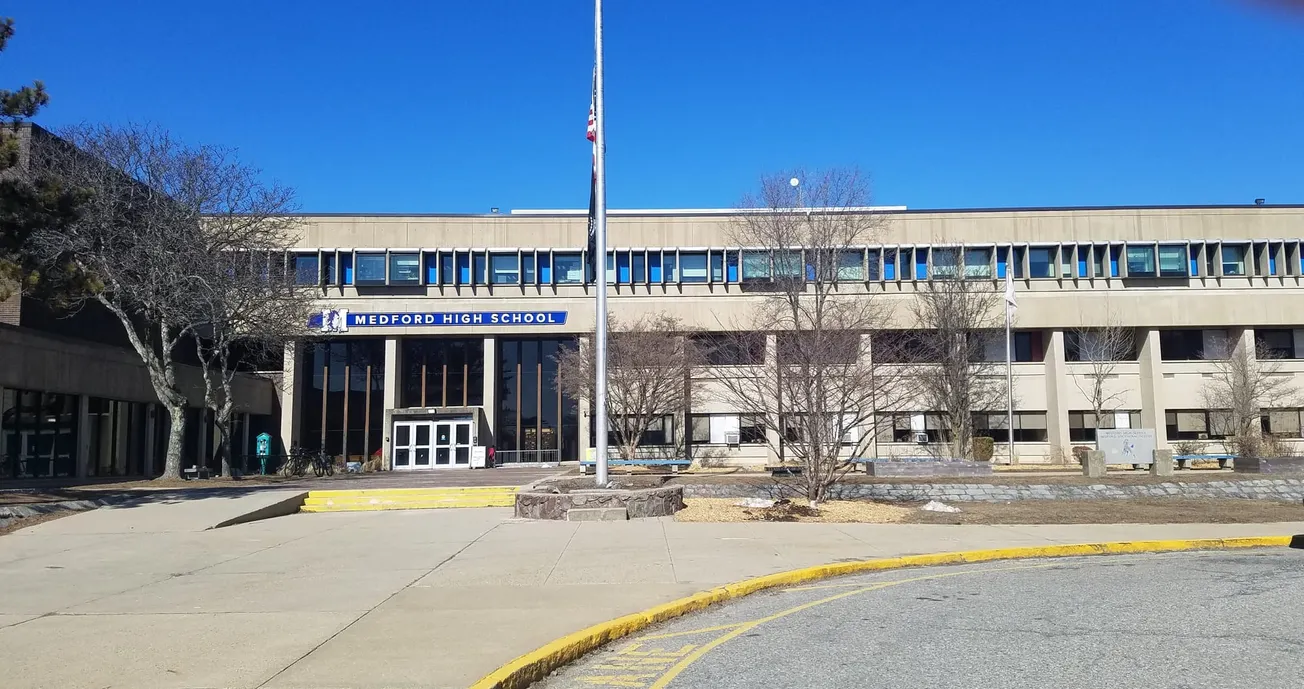
I recently read the May 1st article in Gotta Know Medford on the debate with the High School Building Committee and residents. The meeting was held on April 27. The article was very informative, and I thank the Gotta Know Medford staff for working to publish relevant topics to keep Medford informed.
Sharing this information is important. We all want to do something to create a high school facility that focuses and delivers on academic excellence. To attain this goal there needs to be a public discussion on the many aspects of a project of this scale. The scope of the project and financial information are items that need to be on the table.
In the article, a few discussion points were of interest that were brought up during the meeting. The mayor explained the city does not have the debt capacity to add $800 million to our city financial obligations. This is particularly important as the city grapples with funding a new headquarters fire station and street and sidewalk repair needs. She emphasized the importance of transparency with Medford citizens on the tax implications for the high school project. The building committee has been very cautious and hesitant on sharing the potential tax impacts. The building committee’s reluctance to share the financial information is explained as not wanting to create alarm early in the process. Will it cause citizens to pay attention, yes, but that is needed as decisions on scope are being made.
Another point I noticed was the characterization of others by elected officials. We hear frequently of fearmongering when the financial impacts are mentioned. However, stating “we want the biggest and the best for kids and faculty,” implying decisions should be made without early financial transparency, is an example of fearmongering from the other perspective.
Another example of mischaracterization of the public by an elected official was the claim that the city “cannot govern the city and build new things in a culture of fear and resistance to change.” Medford citizens are not operating from a position of fear. They are simply stating that elected officials should run and govern the city with financial integrity. As to the resistance to change, Medford citizens have demonstrated their ability to change when presented with the needed information to make decisions. Resistance to change is a false accusation and is a carryover from past campaign rhetoric.
Richard Orlando
Medford citizen