Table of Contents
What a difference a year makes. That’s what school officials learned earlier this month when they reviewed a survey asking for feedback on the Medford Public Schools.
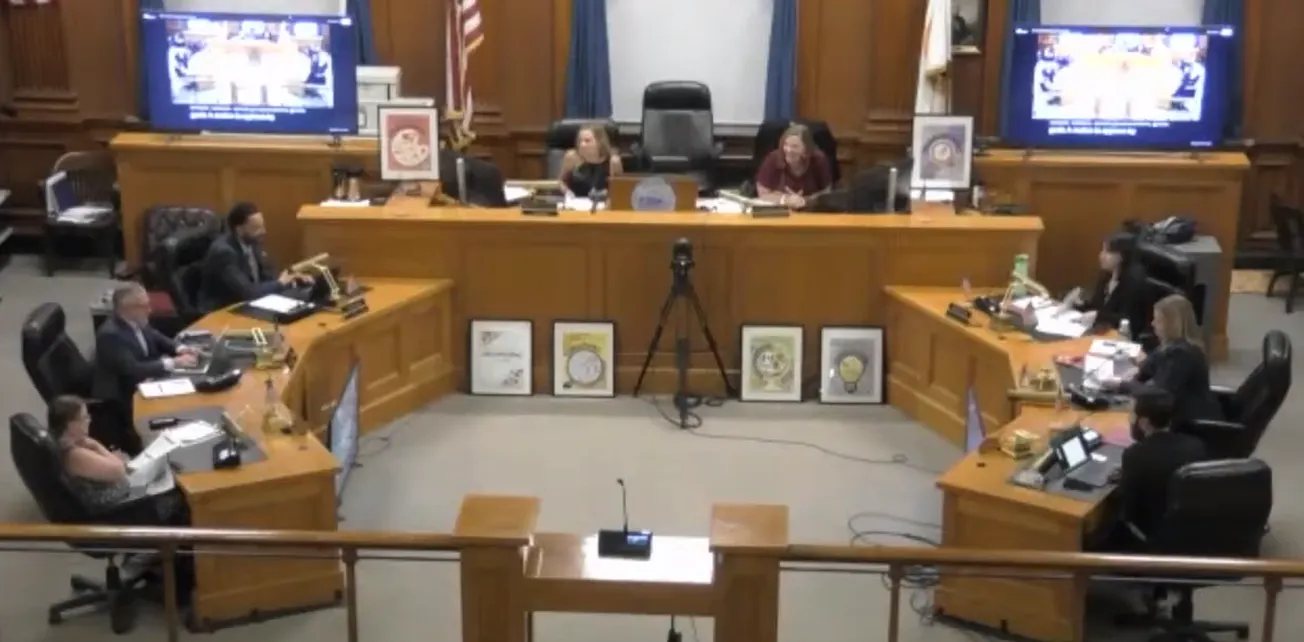
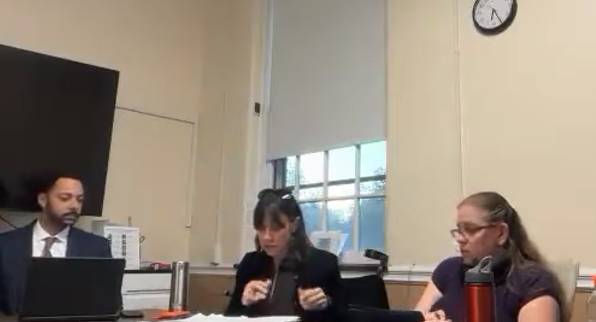
The year-old survey was discussed by the School Committee during its Oct. 5 meeting, with member Jessica Parks presenting the results taken from 234 responses at six strategic planning sessions, two on Zoom and four in-person.
Parks said the survey results presented the district with opportunities to focus on both its strengths and weaknesses.
“The survey does tell us a lot,” she said, “but it’s not representative of what our district is.”
For example, Parks said, 86% of survey respondents were white, while 55% of the student body is people of color.
And, she added, only one respondent was a caregiver to an English language learner (ELL) student. That, Parks said, is about 0.4% of respondents, where as 17% of the district is made up of ELL students.
Parks also offered the following demographics of the people responding:
• 145 (or 62%) were caregivers with a child(ren) in the schools
• 78 (or 33%) were educators
• 11 (or 5%) were students
• three-quarters were women
• two-thirds hold a master’s degree or higher
• median household income was between $150,000 and $200,000
Parks said income was the only area in which respondents accurately represent Medford’s demographics. According to the last U.S. Census, Medford’s annual median income is $179,000, although Parks said it’s closer to $129,000.
What people said
The survey provided a number of checkbox and write-in spaces for people to answer questions about everything related to Medford schools.
Parks said academic excellence and quality of staffing topped the checkbox answers, whereas the write-in portions focused on four specific areas: the high school building, after-school programming and pre-K capacity, special education and recess/lunchtime.
Parks said after-school programming was only 19% on the checkboxes but was “one of the most written-in complaints on the survey.”
She said special education was the “most emotionally charged topic” on the written-in questions, but fell to the bottom of the checkboxes.
Part of the reason, Parks said, was that special education questions were bundled with the ELL portion of the survey. She said written answers regarding special education showed up 23% of the time and the topic was mentioned more than any other for improvement and was the second highest priority mentioned for the next five years.
Parks said Medford received the most praise when it came to its people. For example, teachers received 93 mentions, despite overall criticism about the district’s systems and facilities.
Parks said communications was a topic that showed up in the top four as working well and as needs improvement. She said that’s probably one area to dig into.
During the Sept. 14 School Committee meeting, Superintendent of Schools Dr. Suzanne Galusi put communications as one of the district’s goals for the 2026-27 school year, adding a multi-level implementation of action steps to improve communication across all platforms.
What else did we learn?
Medford last year kicked off its “belonging” efforts, giving students, teachers and other staffers agency when it came to taking ownership of their schools and learning environments.
One of the objectives presented at the time was pushing academic rigor across the district and giving students the support to reach the goals presented to them via state standards set by the Department of Elementary and Secondary Education (DESE).
Dr. Kim Talbot, who is the assistant superintendent for academics and instruction, was before the School Committee on Sept. 28 to talk about academic accountability and how Medford stacks up to state standards set by MCAS.
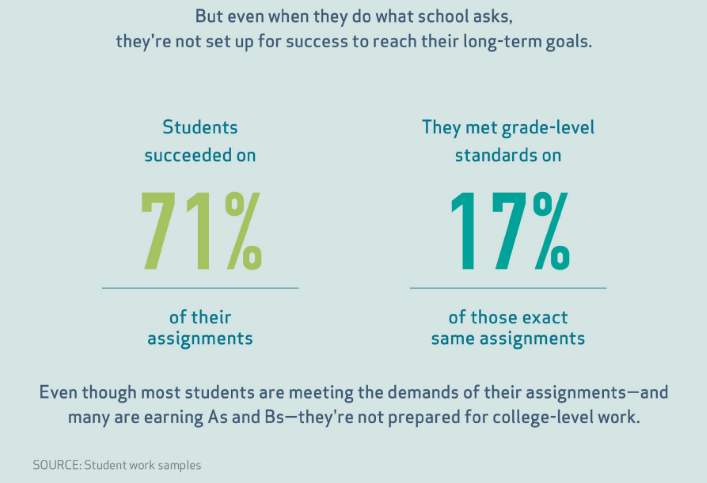
Talbot talked about how Medford must implement an academic foundation for students by helping them succeed at grade-level. During the presentation, Talbot showed a slide that purports 71% of students are passing with As and Bs, thereby meeting the demands of assignments.
However, only 17% of those same students are actually meeting the rigors of grade-level standards set by DESE.
Increased rigor continues to be a topic on the superintendent’s current strategic plan for the district, as set by Galusi on Sept. 14 and continuing through this school year.
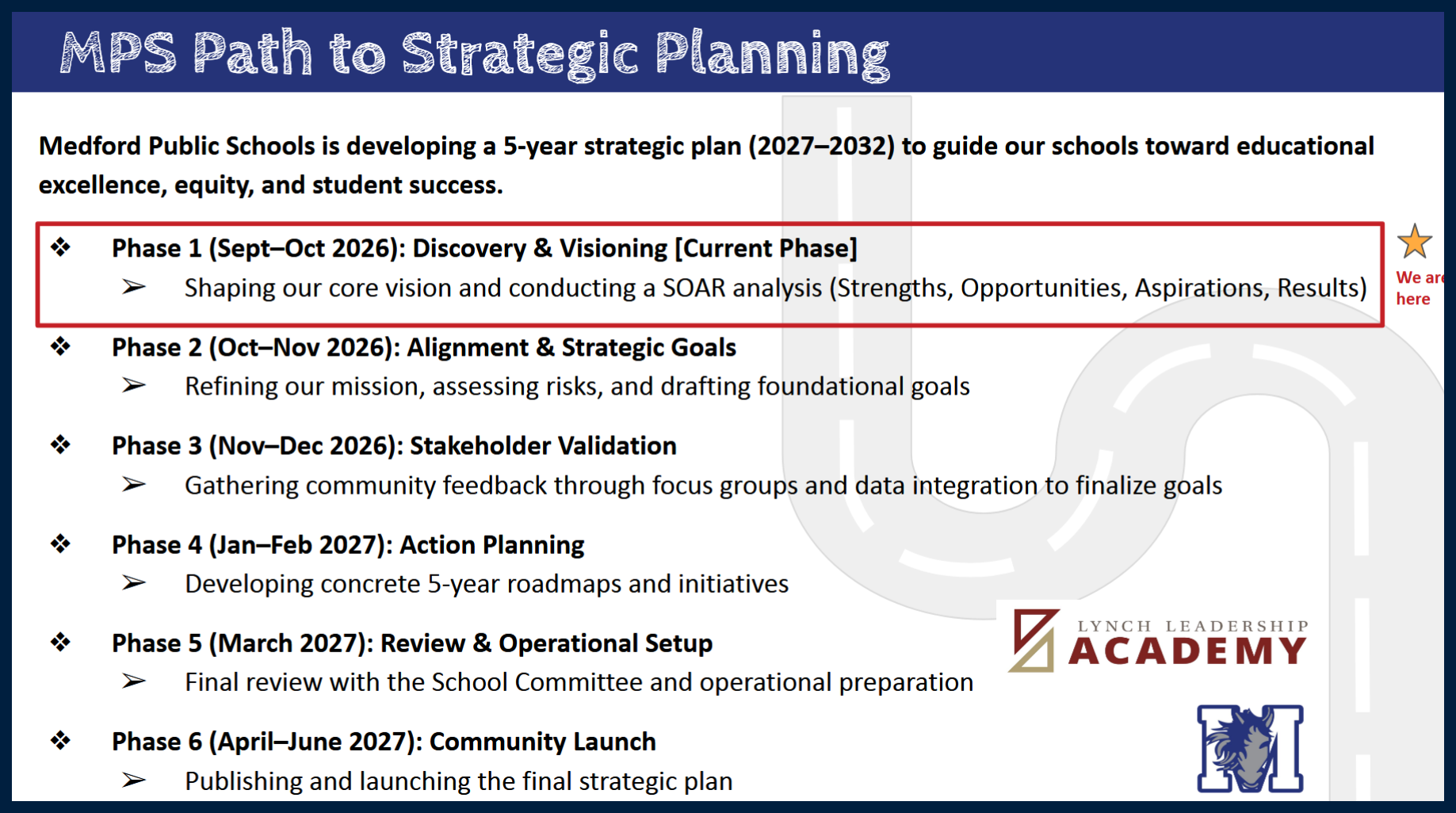
A strategic plan is expected to be rolled out by March 2027.
Rigor versus support was also a topic on the survey, where 57 respondents mentioned learning for students who are advanced and 40 talked about special education students needing support.
“So many people are saying that the public schools work well for students in the middle but are failing both our extremes,” Parks said. “That’s kind of a theme that was seen through the respondents.”
But that was only 97 total people addressing a district of 4,000 students, she said.
Parks said 33% of respondents want to see less technology, such as Chromebooks and AI, in the classrooms, and less time on screens. But of those, 78% self-identified as MPS educators who said Medford’s tech is “outdated” and that they want smart boards, Wi-Fi, and new Chromebooks.
Where do respondents sit on issues such as equality and leadership in the public schools?
Parks said equity is an issue across the district, with 34 spots of the survey’s 59 equity questions talking about how it varies from school-to-school. For example, respondents mentioned overcrowding issues at the Roberts, the lack of community at the Roberts, the resources at the Brooks versus at the Missituk, and the discipline problems and lack of cleanliness at the Andrews.
Parks said the responses were overall centered on pitting one school against another for resources, not about the student population itself.
“That’s an interesting way to see equity described,” she said.
Overall, Parks said, there were 33 positive mentions when it came to the leadership in the district, from Galusi coming on board to the principals, but 34 that were also critical of those same principals, high administrative turnover, and initiatives that seemingly come and go.
What does all this mean?
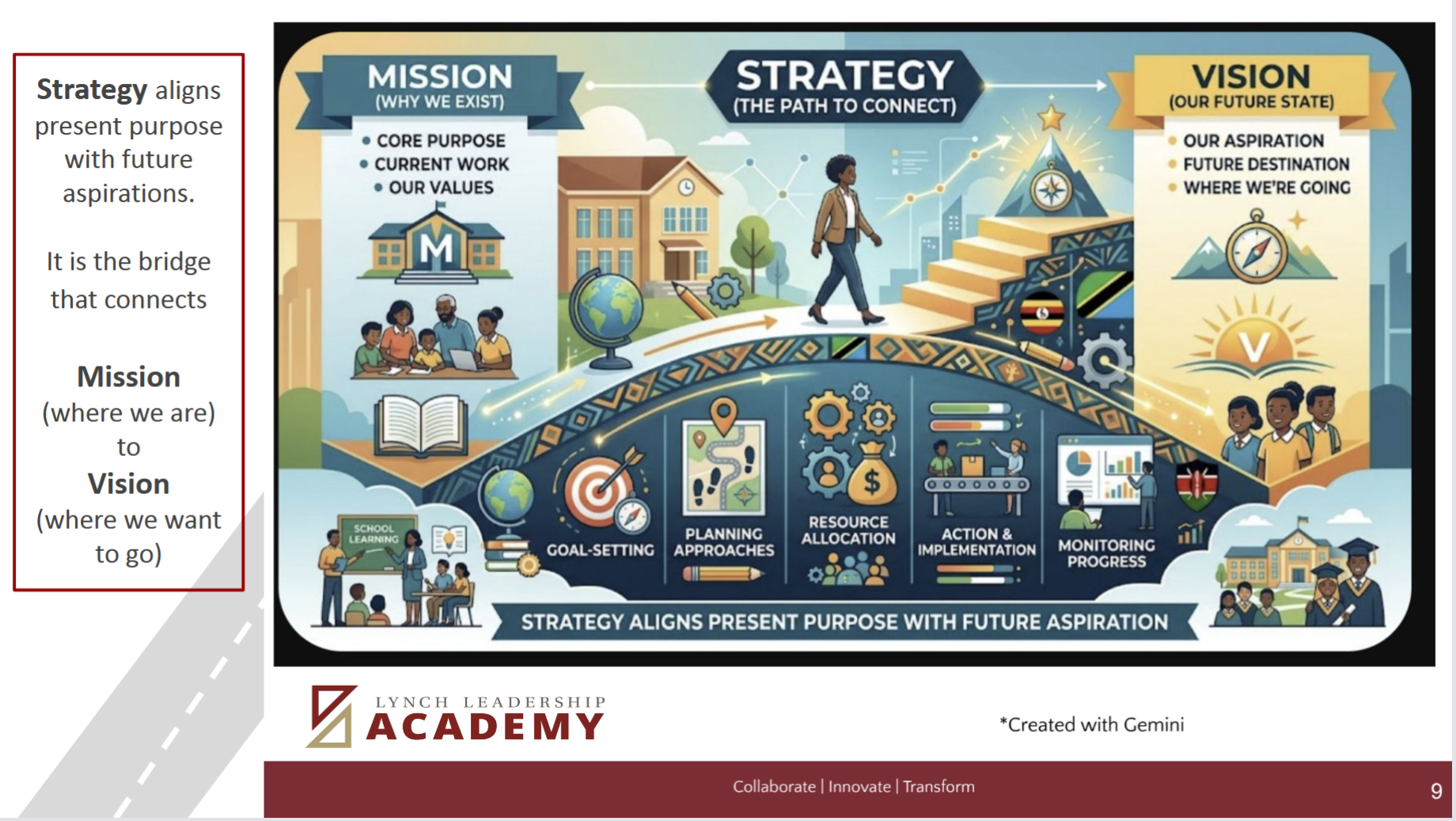
As the district prepares to head into a winter and early spring of developing a strategic plan for the next five years, there are plans to begin bringing stakeholders into discussions on what they want Medford Public Schools to be.
This survey was just a teaser. And that’s what Parks wants to emphasize.
“I think the bottom line is that… you know, don’t build on just the survey alone,” Parks said. “Pair this with a data-driven, experience-based approach that kind of draws on the collective knowledge of our staff, our educators, our administrators under the guidance of district leadership to develop a strategic plan.”
With only 234 responses in this current survey, Parks said it will be important to reach out for feedback from a wider pool of participants.
“We will need to figure out ways to get a much better representation of our district when we do and try to find creative ways to get that representation because it’s not here,” Parks said, of the current survey. “We will need to increase our response rate.”
What’s next?
Galusi said the district has been working with the Lynch Leadership Academy through the Barr Foundation for the past two years with the goal of gathering that much needed information that will help form the strategic plan.
Currently, a team of administrators and school leaders is meeting to shape the plan's core vision, which is phase one.
Phase two, which is setting the district’s goals, should take through November, said Galusi. Phase three is community feedback.
“That’s part of the initial work,” Galusi said, “finding what our strengths are, what’s working for Medford Public Schools, the things we want to identify, celebrate, and what needs to remain intact.”
The plan is to explore where the district needs to grow, and that means digging deeper into the information being gathered, including the year-old survey.
“The work is long and ever-revolving,” Galusi said. “We will take all this information and use it to inform the work we do to write the strategic plan for the district over the next five years.”