Table of Contents
Elizabeth Short was murdered in Los Angeles in 1947 at age 22. Theories about why she was named the "Black Dahlia" range from her supposed penchant for wearing black clothing to her black hair to a movie, "The Blue Dahlia," which was released shortly before Short's death.
The following was submitted by Medford Historical Society and Museum:
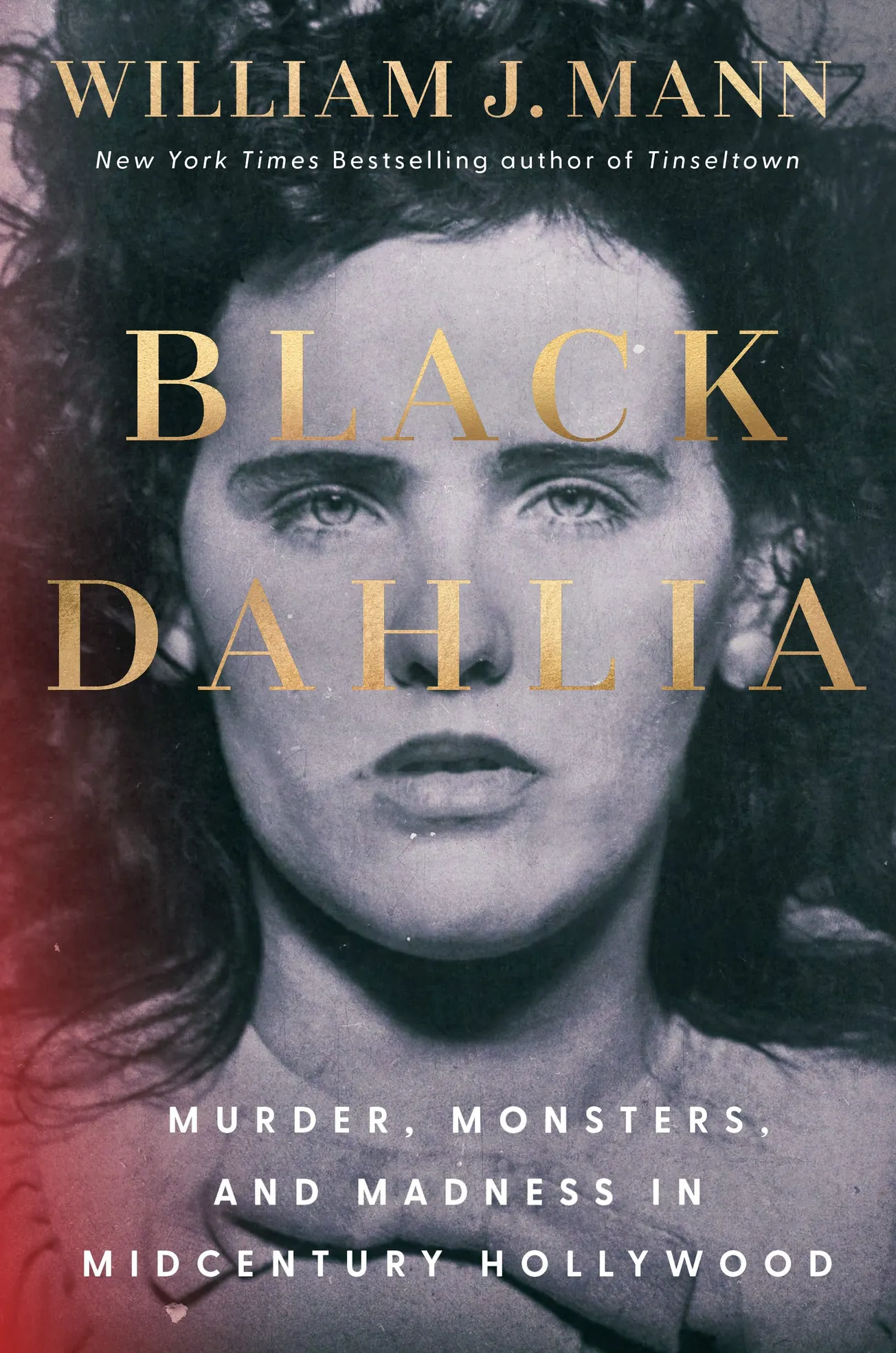
On September 30, William J. Mann, author of "Black Dahlia: Murder, Monsters, and Madness in Midcentury Hollywood," will present a program on Medford native Elizabeth Short at the Medford Public Library at 7 p.m.
Mann’s book has been praised by reviewers for offering the first account of the notorious crime that's more focused on the victim than her killer. Critics lauded Mann's ability to reconstruct the life of Elizabeth Short without exploiting her tragic death.
The Wall Street Journal highlighted his skill in capturing the "historical environment that surrounded the crime… Mr. Mann conveys the era's disillusionment and its rising tide of violence and misogyny." Such context, the Journal noted, "is crucial to an understanding of Short's life—which [Mann] reconstructs with compassionate acuity.”
The Washington Post wrote, "Mann deftly sifts through the sensationalized journalism, preconceived notions, myths, and misunderstandings surrounding the case to uncover the truth about Elizabeth Short like no book before.”
The Los Angeles Times focused on Mann's effort to dismantle the pop-culture mythos surrounding Short, quoting the author: "Elizabeth is very, very different from the 'Black Dahlia'. They’re separate entities, and we need to acknowledge that to comprehend what happened both before and after the murder.”
Previous chroniclers have been more interested in the killer than the victim, boasting of solving the case but putting forward unsatisfying or unsupporting evidence. Mann suggests a couple possible solutions to the crime and presents compelling evidence to support his theories.
“But solving the crime wasn’t my goal,” Mann says. “Understanding it, and understanding Elizabeth, was my goal.” Short’s death was gruesome and sensational and her short life ordinary and unremarkable. “But her life,” Mann says, “is still more important than her death.”
William J. Mann will discuss his process in researching and writing his book and provide a portrait of the young Medford woman at the heart of one of America’s most notorious unsolved crimes.
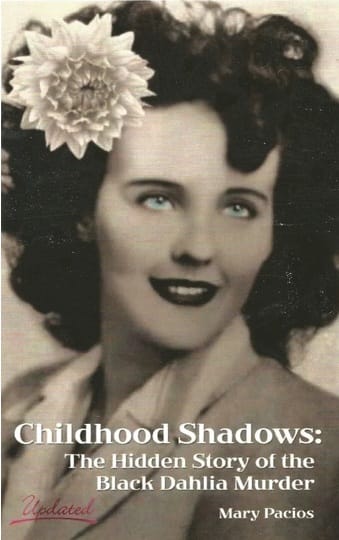
Mary Pacios, an artist, writer, and childhood neighbor of Elizabeth Short, who wrote the 1999 true-crime book "Childhood Shadows: The Hidden Story of the Black Dahlia Murder," will also be in attendance. Currently, Mary is working with the Justice Cannot Be Silenced Foundation, which is working to petition the LAPD to release the unredacted Elizabeth Short/Black Dahlia case files to the public.