

Mystic Valley Public Health Coalition warns of vaping addiction
Spreading the word about tobacco products and vaping takes a lot of work. But a recent seminar by the Mystic Valley Public Health Coalition is hoping to give Medford residents the right information.

By Neil Zolot | Correspondent
Spreading the word about tobacco products and vaping takes a lot of work. But a recent seminar by the Mystic Valley Public Health Coalition is hoping to give Medford residents the right information.
“Whenever there’s new product, we try to get the word out to communities and schools,” Maureen Buzby, Tobacco Prevention Manager of the Mystic Valley Public Health Coalition said, during the “Understanding Vaping and Tobacco Trends” evening on Feb. 5. “The nicotine industry is trying to make things as convenient as possible and as clean as possible so it doesn’t look like smoking. It’s a heavy lift. It will take a lot of effort, but it’s worth it.”
The Mystic Valley Public Health Coalition covers six communities, including Winchester, Medford, Melrose and Wakefield. Buzby’s office is located in Melrose.
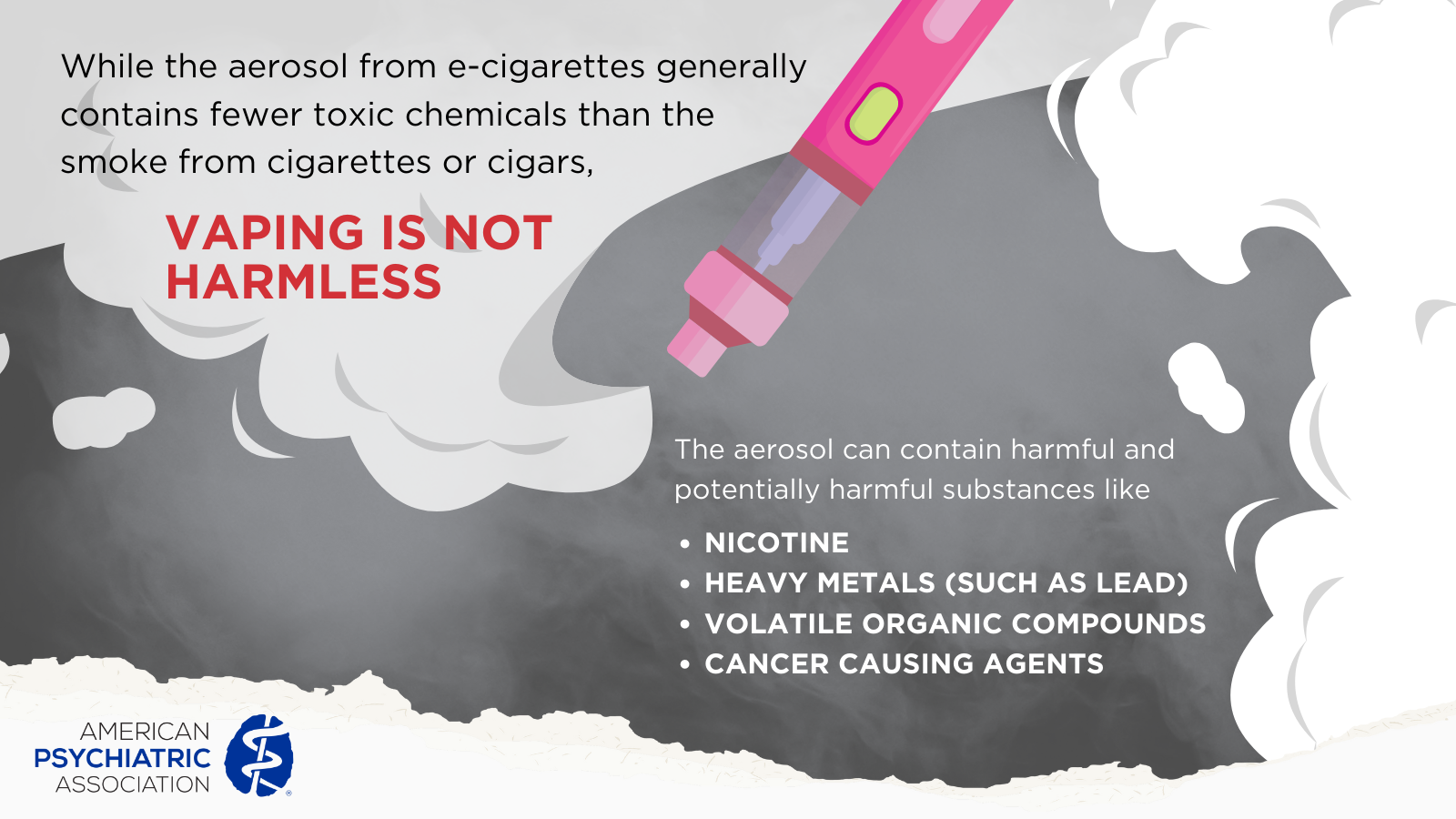
Vaping involves electronic or e-cigarettes, which mimic smoking and expel steam instead of smoke, but still contains nicotine, a highly addictive substance found in tobacco.
“[It’s] often harder to quit than cocaine,” Buzby said, adding the user inhales an aerosol, not steam.
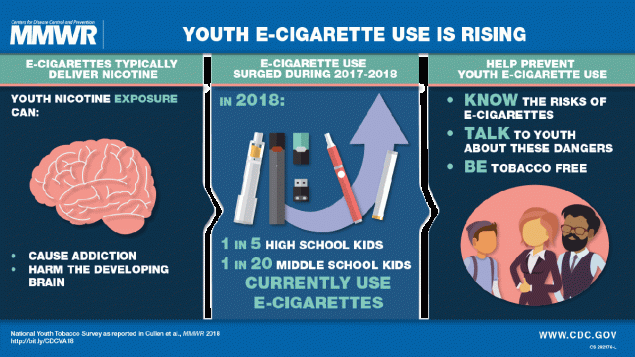
Side effects of inhaling include “popcorn lung,” which can create a lifelong problem. As bad as excessive drinking is, the human body is designed to process liquids, not smoke or steam.
There are also nicotine pouches or chewing tobacco and other products. Nicotine pouches are hard to detect because there is no vapor or smoke and can be used without being noticed. They’re also cheap, but can lead to respiratory issues like vaping or smoking and dental issues, as well.
Indicators of use are similar to those of smoking, such as respiratory issues and also headaches and mood swings based on use or lack of use. Irritability is a sign of withdrawal.
“The best prevention is never starting,” Buzby pointed out.
Buzby said the nicotine industry has made the use of these products fun or subversively cool by packaging them in devices that look like portable computer drives, pens and highlighters, gum and other harmless items. There are also flavored vapes.
It’s nothing new. People smoked in old movies because it mirrored societal norms, seemed elegant and gave actors something to do in scenes. Magazine ads touted cigarettes as beneficial for health. Athletes chewed tobacco. In the late 1980s, Camel cigarettes used a funny looking cartoon character, Joe Camel, in ads that caught the eye of children. People smoke in movies today too, but it’s usually bad guys.
Buzby said she has anecdotal evidence that athletes, among other students, are getting false confidence from vaping.
“It makes them feel like they can do more than they normally would,” she said.
An addictive side effect is not being able to function at normal levels or sleep without vaping, Buzby reported.
Evidence is anecdotal because vaping is somewhat new.
“It may take decades,” she said about long term effects. “It took us decades to learn about smoking and how bad second hand smoke its, but we’re just learning about vaping.”
She feels suspending a student caught vaping in school “is the worst thing you can do” because they’ll go home and vape, smoke or use nicotine pouches more. Communication between family members is a key to prevention. She encourages parents to be involved in their children’s lives, setting expectations, avoiding scare tactics while still talking about the issue.
Buzby added schools need to enforce rules about use, but also provide support.
“Substance use requires help, not exclusion,” she said.
Part of the effort is advocacy for state Senate bill 1568/House bill 2562, An act to create a Tobacco Free Generation, which would prohibit the sale of tobacco products to persons born on or after Jan. 1, 2006, co-sponsored by Sen. Jason Lewis, whose district includes Melrose, Wakefield and Winchester. Anyone currently able to legally purchase tobacco products would not lose the right to do so.
The bill is currently being studied by the Legislature’s Joint Committee on Public Health.
“This bill will save countless lives and create a healthier world for the next generation,” Lewis said in November 2024. “We all know the devastating health effects of nicotine and tobacco products, especially on our youth who are targeted by Big Tobacco. I will fight to make this a statewide policy.”
“Tobacco and nicotine use poses extreme health threats to people of all ages and particularly our youth,” Melrose-Wakefield Rep. Kate Lipper-Garabedian added at the time. “I’m glad to partner with Senator Lewis to file state-level legislation to end the cycle of nicotine addiction and ensure our young people are protected from harmful products.”
Opposition to the legislation has centered on it harming businesses, particularly small, locally owned businesses, by restricting revenue, limiting consumer choice, creating a dangerous black market and unfairly targeting adults for purchasing legal products and failing to address use of tobacco by the young.
Not surprisingly the nicotine industry is also against the measure.
“They show up where we are,” Buzby said about hearings and meetings before various government bodies.


