

Table of Contents
Barry Ingber never expected he would travel to the West Bank, but then opportunity came knocking in the form of an olive harvest and, he said, “I felt somehow a moral obligation to do it."
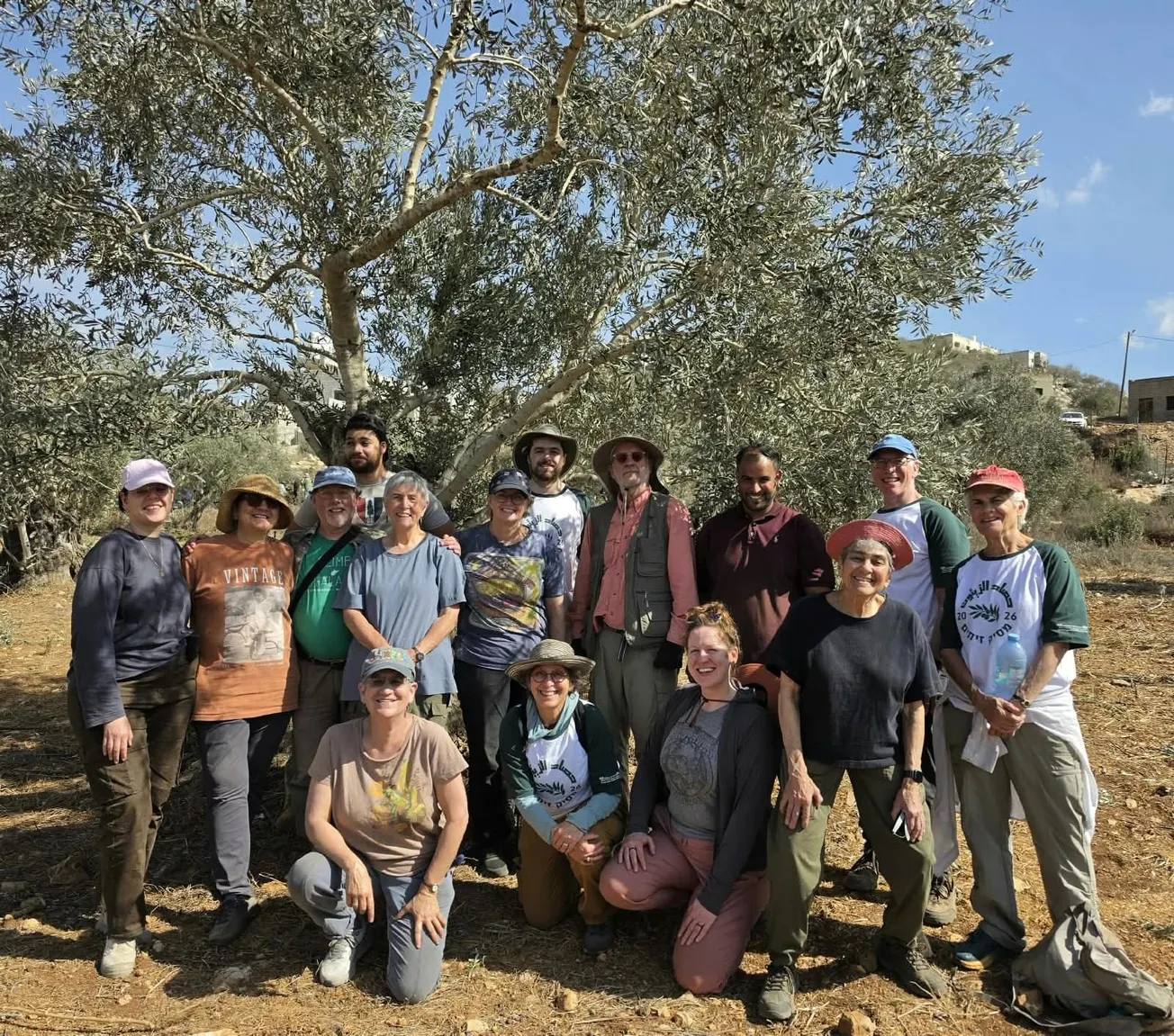
Ingber traveled to the West Bank in October with a group organized by his Rabbi, Toba Spitzer of Congregation Dorshei Tzedek, as part of an international effort led by several different organizations but in particular Rabbis for Human Rights Israel, which calls itself “the Jewish voice on human rights."
The group's aim was to help the Palestinians with their olive harvest, which Ingber said was fairly easy if you're allowed to get to the trees.
“People have been denied access to their olive groves, which is a really fundamental piece of both their culture and their economy, which is why we were there to help gain that access and safety, and pick some of the olives,” he said.
The group was there for eight days, all of them filled with unrest. Yet despite the turmoil that has plagued the West Bank for decades, and the more recent escalation of violence in 2026, Ingber said he wasn’t actually worried about being there.
“I felt like my white, male, Jewish-American privilege would protect me from violence,” he said. “But as it turns out, it was more dangerous than I expected it to be.”
Ingber backtracked a bit saying it wasn’t necessarily dangerous for him personally, however his group did experience a settler attack when a Jeep, driven by a settler, attempted to run them down. He said they were able to get out of the way, but they witnessed violence being perpetrated against Palestinians daily.
“And there’s also the state repression, which sometimes in the West Bank escalates into violence,” Ingber said. “It is a steady, grueling repression of the people and, to a lesser degree, repression of Israelis and internationals as well.”
Ingber pointed to Wednesday, Oct. 21, the third day of their harvest, when nearly 100 people, Rabbis, internationals, U.S. Democratic congressional candidate Brad Lander and Rabbi Jill Jacobs of T'ruah, a rabbinical human rights organization, were detained by Israeli security forces.
Ingber’s group got lucky. He said their group of 14 were the only ones not detained. Yet, Ingber said, that day still turned out to be their most intense.
Some context
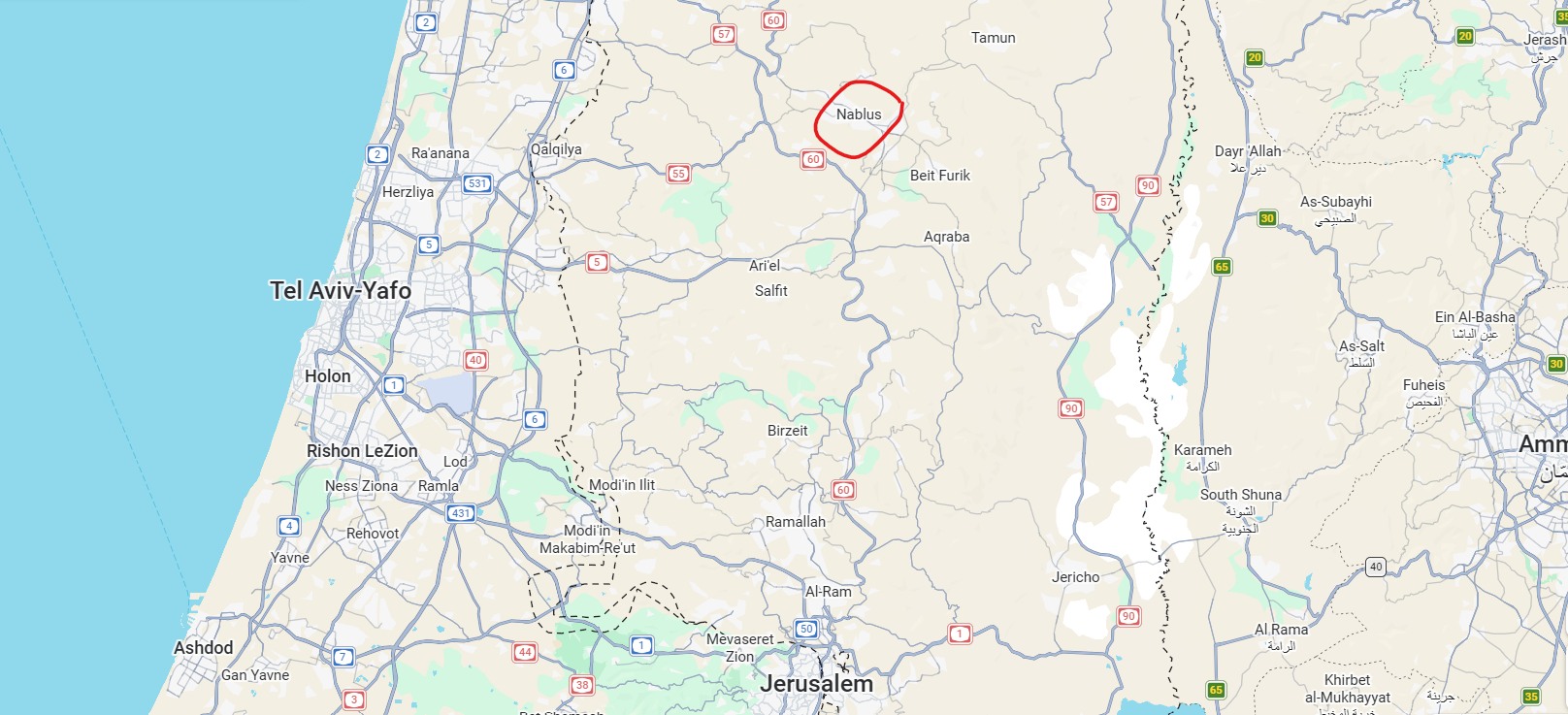
Ingber described the West Bank as less than half the size of Connecticut, and within that area are hundreds of Israeli settlements and outposts that essentially surround every Palestinian community. But who are the settlers?
According to Aljazeera, an independent news organization funded in part by the Qatari government, “settlers are Israeli citizens who live on private Palestinian land in the occupied West Bank and East Jerusalem. The vast majority of the settlements have been built either entirely or partially on private Palestinian land.” Settlements are authorized by the Israeli government, but outposts, which can range from a few people to 400, are not.
And the settlers are keen to throw up impediments that often make daily activities difficult at best, Ingber said. Traveling anywhere involved long circuitous routes that were caused by hours-long traffic jams at random checkpoints and roadblocks, he said. One 10-mile trip took them two hours, he said, “and we had the right plates on our vehicles. We had Israeli plates.”
He called the traffic jams deliberate, aimed at holding people up and checking every single car so that no one could get anywhere.
Back to the olive harvest
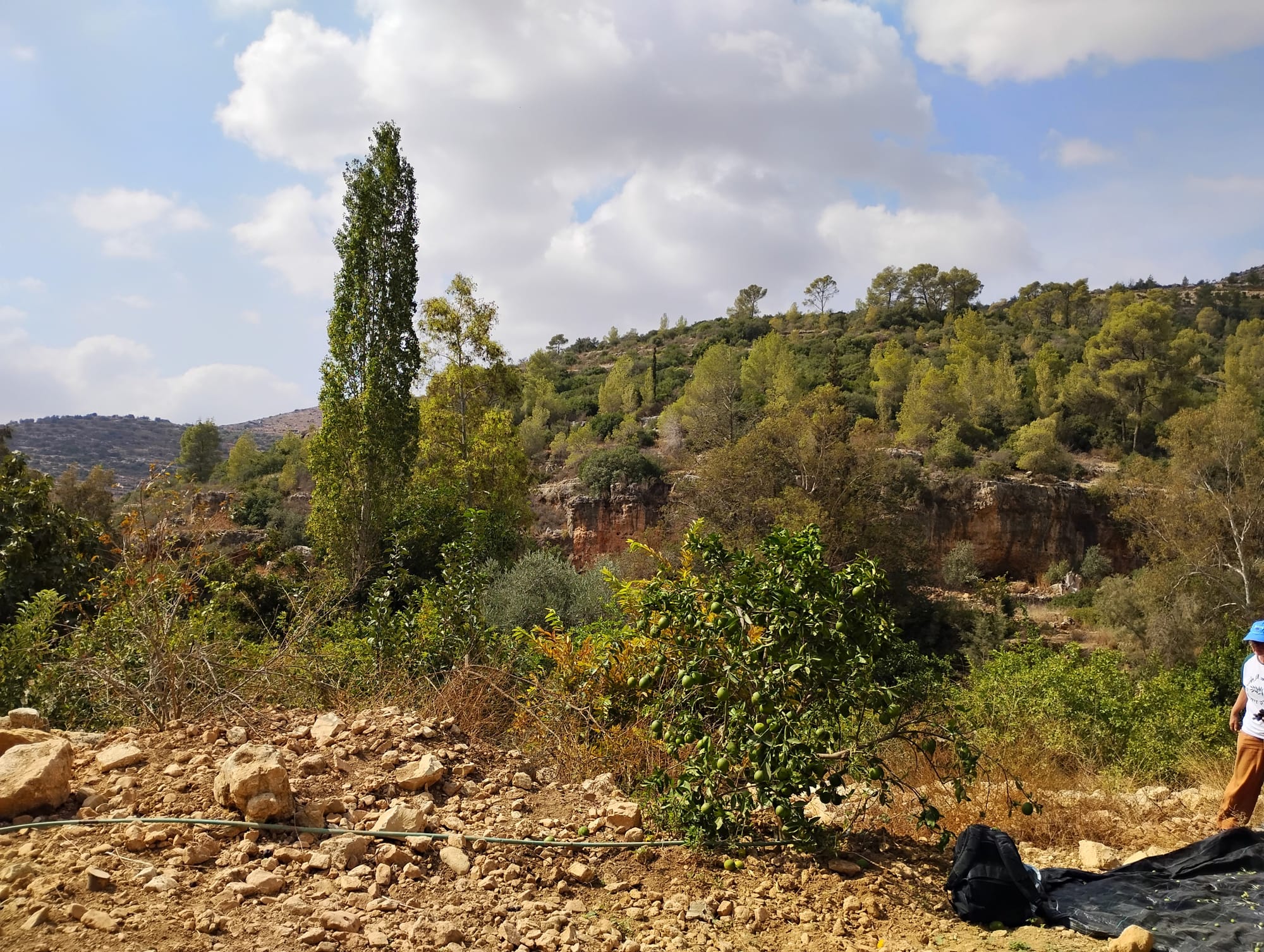
Ingber and companions were helping a farmer who had a modest grove in Jalud, a Palestinian village near Nablus in the northern West Bank. Their first day picking started with driving to the grove, but at one point, they stopped in front of what Ingber said looked to be a fairly nice house. The inside told a much different story. Just a few days prior, the interior of the house had been ransacked by settlers who assaulted the people inside, he said.
“The brother of the farmer we were working with was still in the ICU,” he said. “And of course, as usual, no arrests or prosecutions.”
Ingber was quick to add that he would not portray all settlers as terrorists.
“They’re not,” he said. “But some of them are and they act with impunity.”
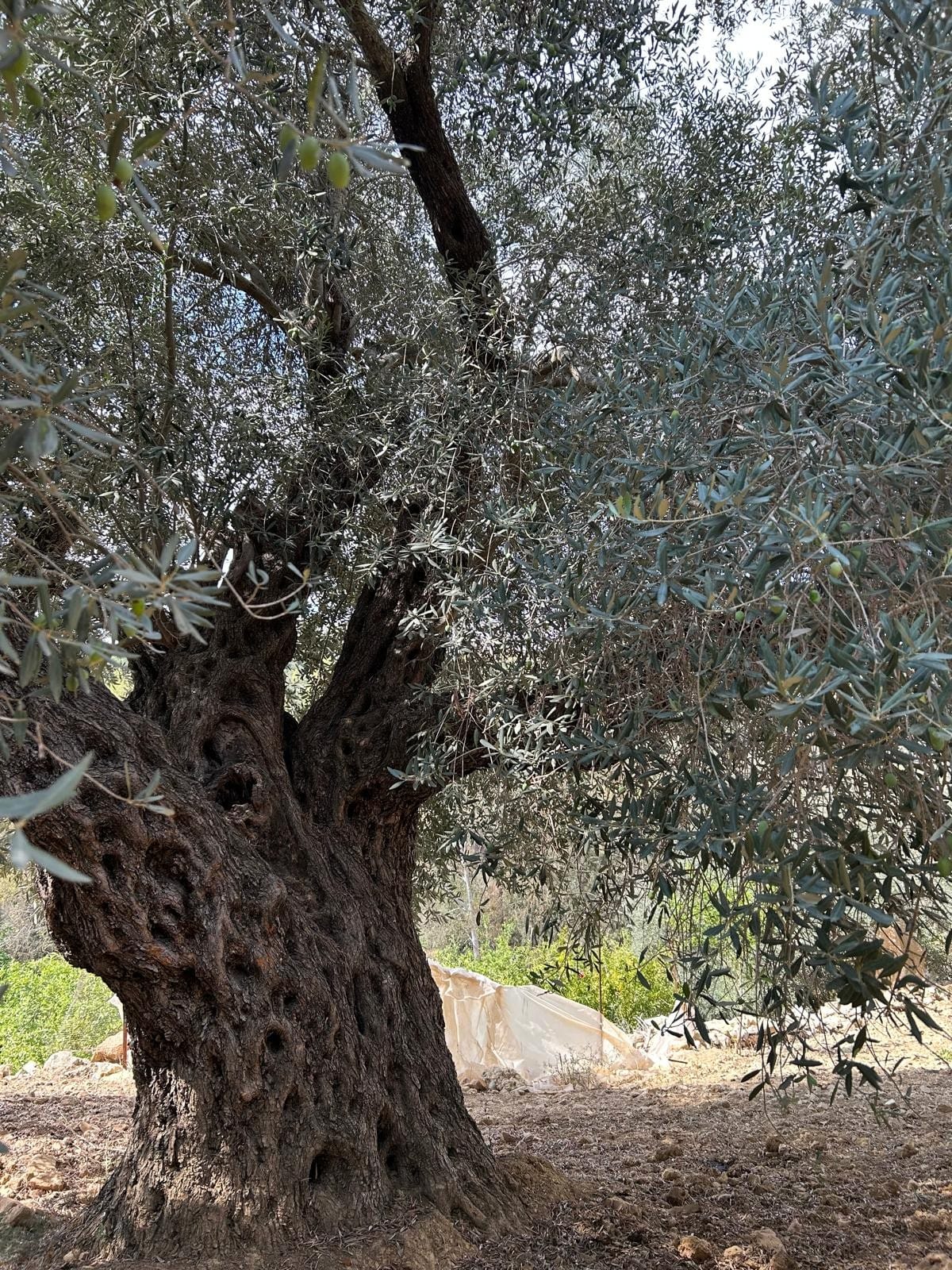
Along with the destruction of the interior of the home, Ingber said, an irrigation system that fed groves of olive and citrus trees had been destroyed. And, piles of cow dung were everywhere, “which I found kind of mysterious,” he said.
Turns out the settlers would drive their cattle through Palestinian farms to trample and dirty the land, Ingber said.
He said of the behavior, “it’s pervasive, it’s everywhere and it's constant.”
And even when there might be a break in the acts of violence or destruction, there is still a sort of grind, an institutional impediment to daily life that touches every single person, Ingber said.
“And that’s what kind of surprised me a little bit,” he said. “I went thinking that the issues on the West Bank were sporadic and localized, and they’re not. It’s pervasive and constant. It’s everywhere.”
On their first day, Ingber said, they heard screams, which turned out to be children fleeing a settler attack on a nearby school.
“We were greeted by the farmer and by the mayor of the village, who told us that they'd been attacked four times in the past week and were grateful for us being there,” Ingber said.
Their presence not only provided labor but also a measure of security so the farmers could harvest their own groves, he explained.
According to UN News, thousands of Palestinian farmers are routinely unable to reach their olive trees “because of severe Israeli movement restrictions, which have dramatically worsened over the past three years.” But having Americans and other nationals with them, they were relatively secure. To thank the visitors and show their appreciation, the farmer’s family, including the kids, brought them chocolate and Palestinian coffee, Ingber said.
Taking it with you
Ingber said it was hard to see the situation up close and to think everything is okay when it is very clearly not okay. And what was perhaps painfully obvious is the people under attack, he said.
“These are just people, everyday people like you and me who are trying to live their lives and are having it made difficult for them to do so every minute of every day,” he said.
Ingber said the best thing they can do is to share, with as many people as they can, their stories of their time in the West Bank and hope it has an impact on American policy.
“Because what I'm taking home from this experience is that the situation there is locked in place,” he said. “There is no substantial change that's going to happen there, unless it's forced.”
Ingber said the U.S. needs to stop providing billions of dollars in military aid and support and diplomatic cover. When that happens, he said, only then might the Israeli government get realistic about how few Palestinians actually have a voice in how they are ruled “because this is not a short-term thing. This has been going on since 1967.”
Ingber said he has no idea how many pounds of olives they picked by the end of their stay, but he does know they made progress and they made a difference.
“I am certainly glad I went,” he said. “I feel strongly that it was the right thing to do, and that it was a meaningful thing to do.”