Table of Contents
By Xiyue Eric Han | Correspondent
The room was quiet, the chairs arranged in a circle, and for an hour, the conversation was the kind families rarely get to have: honest, unhurried and free of judgment about a subject too often kept behind closed doors.
This new regional peer family support group is part of Learn to Cope and supports the Mystic Valley Public Health Coalition, which serves Medford, Winchester, Stoneham, Melrose, Wakefield, Malden and Reading.
Wednesday, July 15 was the third of three meetings at Grace Episcopal Church in Medford. This session was highlighted by three parents who described their experiences, the resources they used and how the invaluable knowledge that they gained was passed to the listeners.
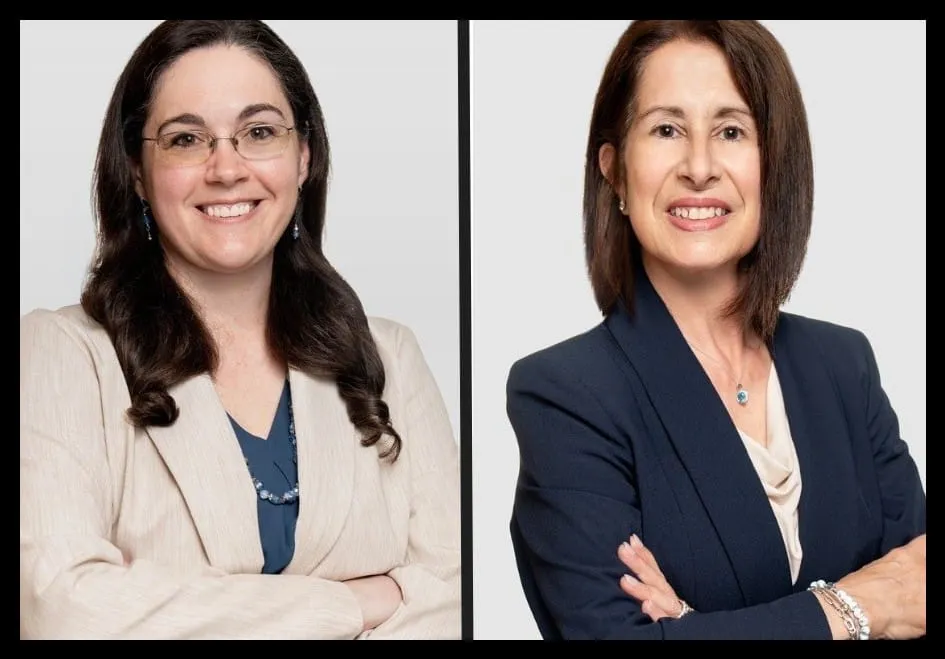
The group is led by Barrie Brian, a recovery coach and consultant for the town of Winchester, who sits on Learn to Cope’s board of directors after being an active member for over a decade.
“These challenges exist in our own community,” explained Brian.
According to the Mystic Valley Public Health Coalition, a total of 735 lives were lost to substance abuse in Middlesex County. Zooming out, the rate of substance use disorders has increased across the country in the last 30 years.
The goal of the July session was to educate on the resources and guidance available for families.
All of these sessions kept participants anonymous and ensured confidentiality on the information shared to keep these meetings as a safe space to openly share stories and conflict. What is shared in the room stays in the room.
Brian stressed that unlike public education meetings, the typical meetings here are closed to people who are struggling with a loved one's substance use disorder and addiction.
Stories
A mother of a son
One mother, a single parent, has walked this road with her son for decades, through years of family denial, two overdoses in her own home and a recent relapse as he enters a sober home again.
What gives her hope is the trajectory: relapses that once lasted years now last days.
All she can do, she says, is support him.
A mother of a daughter
Another mother’s daughter struggled with substance use for 15 years, including time on the streets. She learned to navigate a system that offered families little, including the Section 35 civil commitment process, a resource she urges other families not to fear.
Her daughter is now three years into recovery.
A mother and her husband
A third panelist and her husband knew their son was using opioids, but, with an adult son who wouldn’t consent to treatment, could do nothing but watch.
They found Learn to Cope and have attended together ever since. Her son has now been through detox twice, and the second time he asked for her help, a difference that mattered.
Today she sees real progress, describing “glimmers of hope.”
Resources
“When I started this journey, resources were very limited,” explained a mother on the panel. “Today there’s so much available it can be overwhelming, which is a blessing. You just need somewhere to start.”
Among the resources discussed were Al-Anon and Nar-Anon, which are for families and friends for alcoholism and drug addiction, respectively. Both programs follow a 12-step framework that helps families understand that they didn't cause, cannot control and cannot cure their loved one’s addiction.
Learn to Cope meets four nights a week with different facilitators, plus an online forum. In addition, Recovery Centers of America, with two locations in Danvers and Westminster, received specific praise from the panel for proactively reaching out to families.
Section 35 was identified by the panel as more of a last-ditch effort maneuver, used only when a person’s addiction puts them or others in immediate danger. In Massachusetts, it allows a family member, professional or guardian to ask the judge to force an adult with a severe drug or alcohol problem into a treatment facility against their will.
The process is relatively straightforward. The person asking for Section 35 goes to court and fills out paperwork, then the judge holds a fast hearing. The individual being sectioned receives a court-appointed attorney to represent their wishes.
If the judge agrees the individual has an addiction that puts them or others in direct danger, then they can order treatment for up to 90 days.
A constant theme
Throughout the conversation, it became clear that staying in your lane is the best way to help your loved one. Pushing them forward only gives them something to push against.
“You can’t want recovery more than they do,” elaborated Brian.
This theme was reflected in each of the three stories on the panel, although each in their unique way.
For the mother of the son, that meant confronting years of unintended enabling. She had justified every rescue, once helping him get a car for a job he’d held only two weeks, and came to see that it took away his dignity and kept him from standing on his own.
Even now, she catches herself tracking his meetings and has to ask whether she’s in her own lane.
The lesson was tested the day she drove him to detox and he tried to leave to get high one more time. She gave him a choice, and then she drove away, knowing it was right even as everything in her screamed otherwise.
“Sometimes, the hard choices are the right choices,” she said.
For the mother of the daughter, the boundary was emotional: letting go of the belief she had to be reachable every moment, resisting the urge to play detective and letting her daughter’s recovery belong to her daughter.
For the third panelist, it was restraint: allowing her son to change rather than pressuring him to, accepting that relapse is not the end of the world and letting progress come on his timeline, not hers.
Brian tied it together.
“As parents, our instinct is to do everything for our kids,” she said. “Learning to stay in your own lane, when everything in you is screaming to step in and fix it, is the hardest work families do here.”
Parents are wired to care for their children, to protect them and to care for them at all moments and at all costs. Giving them room to figure it out is the right choice, but it means fighting your instincts every day.
Taking care of yourself
Brian closed the evening with the question that tied it together: “This is a family disease. We all get sick, too. So what do you do for you?”
For one mother, it took years and baby steps to separate her own life from her daughter’s illness. Today, she meditates, spends time in nature and stays in the moment rather than bracing for a crisis that usually never comes.
Another mother found her way back through her hands, collecting driftwood on beach walks and turning it into art, because your mind can’t be in two places at once. Her anchor: you can’t be in fear and in faith at the same time.
The third protects her joy deliberately: tennis, yoga, reading, a crossing guard job she calls therapeutic. Her advice was three words: find the joy.
“Taking care of yourself takes real work,” Brian told the group. “It’s not selfish. If we’re sick, we can’t be there when our loved one is ready.”
September marks the start of the peer recovery and support meetings. Families who want to attend, or have questions about the group, can contact Brian at 781-820-5071 or at barriebrian@gmail.com.
Xiyue Eric Han is a student at Winchester High School.